

Tracking the information about your manuscript
Communicate with the editorial office
Query manuscript payment status Edit officeCollecting, editing, reviewing and other affairs offices
Managing manuscripts
Managing author information and external review Expert Information Expert officeOnline Review
Online Communication with the Editorial Department
About Journal
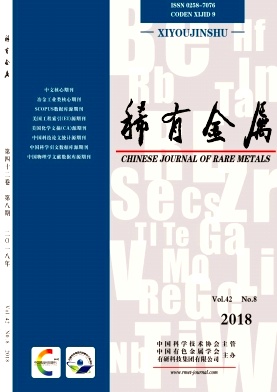
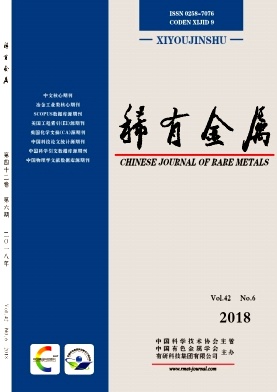
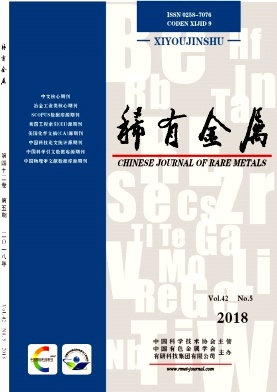
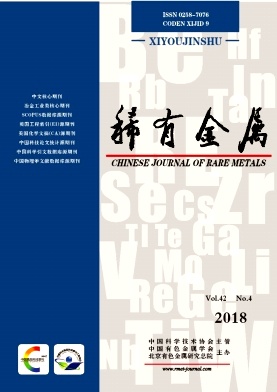
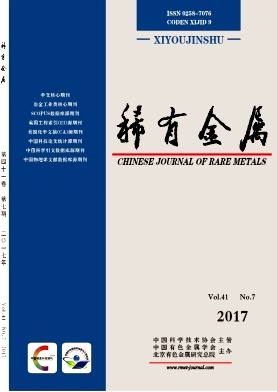
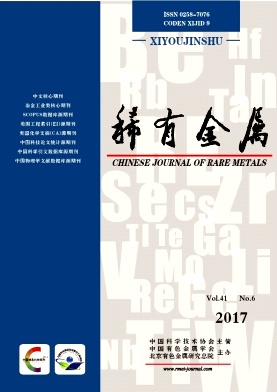
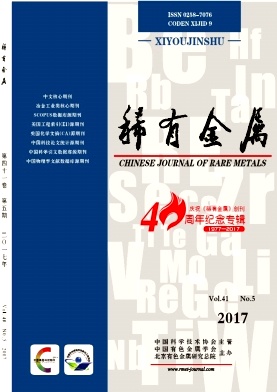
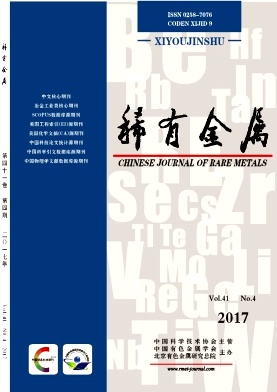
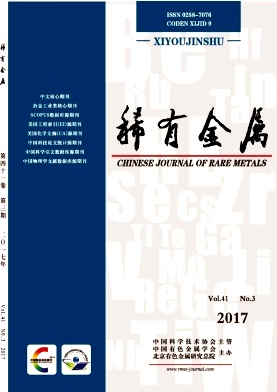
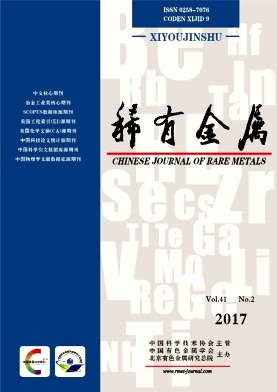
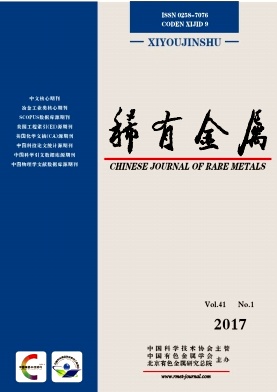
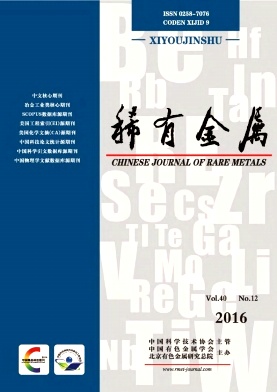
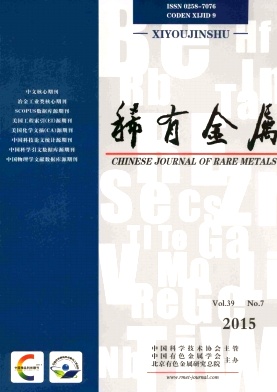
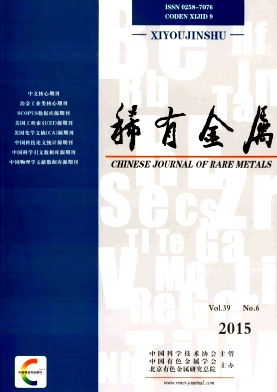
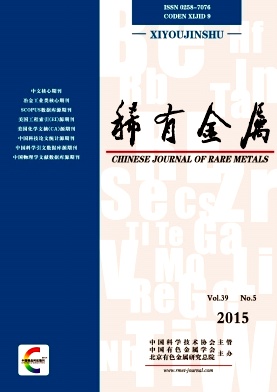
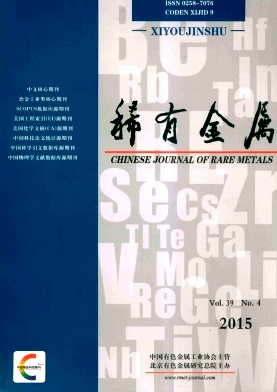
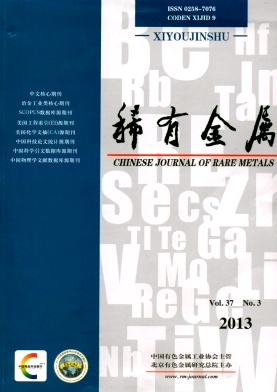
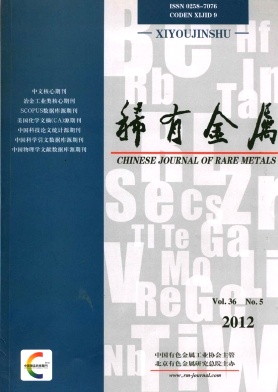
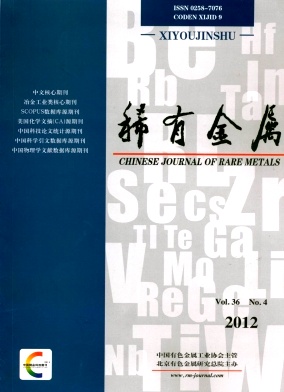
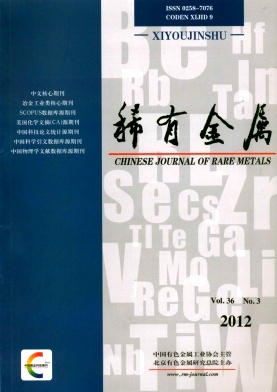
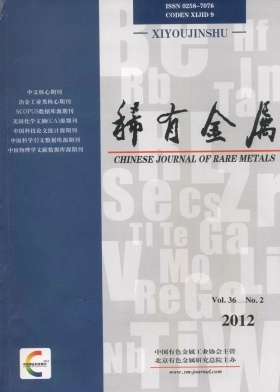
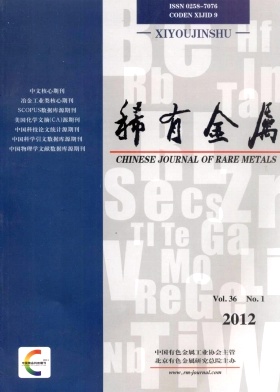
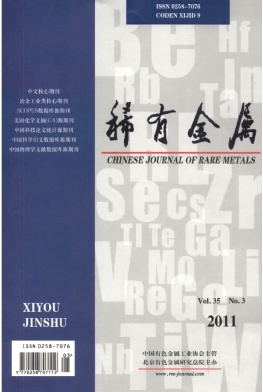
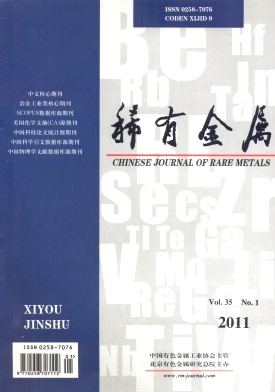
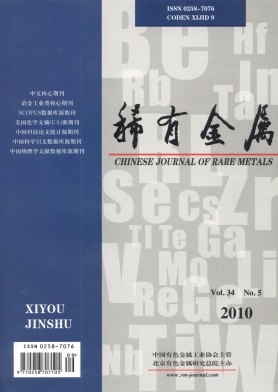
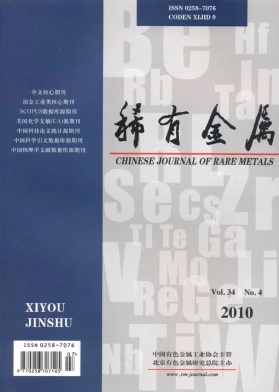
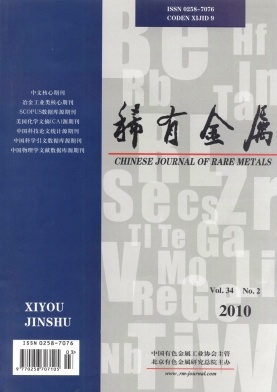
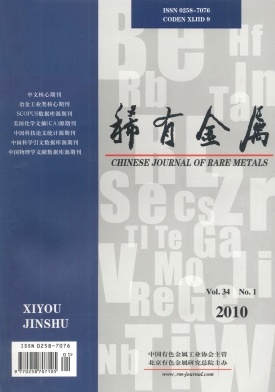
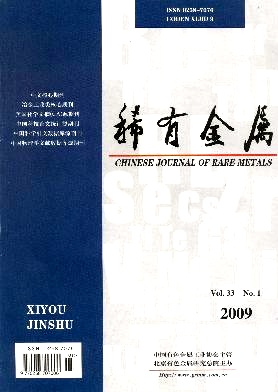
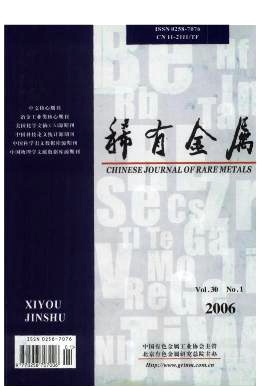
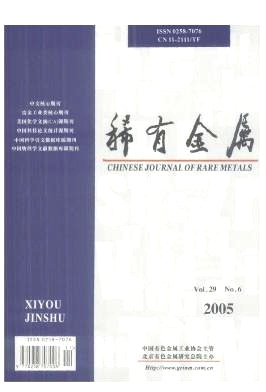
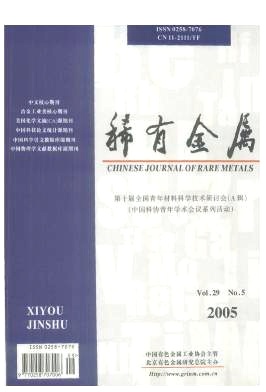
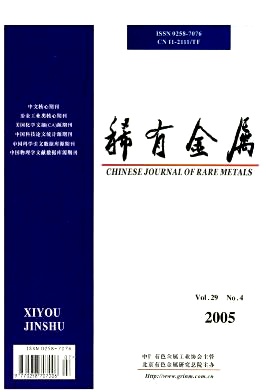
Journal: Chinese Journal of Rare Metals
Establishment year: 1977
Administrator: China Association for Science and Technology
Sponsor: The Nonferrous Metals Society of China;
China GRINM Group Co., Ltd.
Publisher: Youke Publishing Co., Ltd
Periodicity: Monthly
Tel:010-82241917/82240869
E-mail:rmchina@263.net
ISSN:0258-7076
CN:11-2111/TF
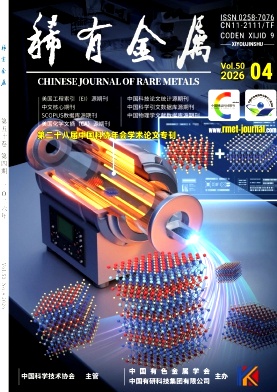
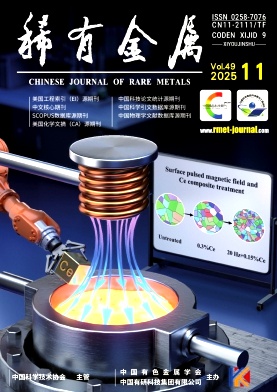
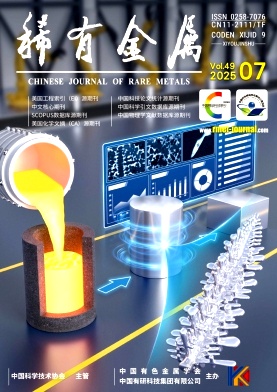
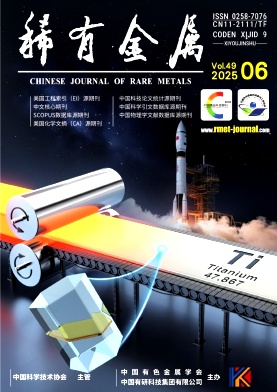
Chinese Journal of Rare Metals is a comprehensive journal, published monthly in Chinese, administrated by China Association for Science and Technology, and sponsored by The Nonferrous Metals Society of China and China GRINM Group Co., Ltd. Academician Haili Tu is the Editor-in-Chief. Chinese Journal of Rare Metalis included by American Engineering(EI compendex), the important database SCOPUS...(Details)
Identification and treatment of academic misconduct
In order to protect the right of readers and authors and to maintain the quality and reputation of this journal, Chinese Journal of Rare Metals will test and screen each manuscript strictly in the process of publication. The manuscript will be rejected and punished seriously if it is identified as academic misconduct. The specific testing process and treatment methods are as follows:
1. This journal adopts academic misconduct detection system of CNKI for automatic detection, and the China Literature Journals Full-text Database is used as the comparative database, which test academic misconduct behaviors such as paper copy and plagiarism, forgery, tampering, improper attribution, a draft casting two or more journals, etc.
2. The range of detection
1) All papers that have been received;
2) The papers that are accused with plagiarism by readers
The academic misconduct detection system of CNKI is used to detect the duplication rate of the manuscript. The manuscript and the comparative one will be submitted to reviewers who will determine the repetition nature and form if the duplication rate is up to or exceeds 20%. Reviewing experts will give advice about how to deal with this issue.
3. The criteria of the manuscript identified as academic misconduct are as follows:
1) The manuscript content copies intact or basically from other achievements.
2) The content of the paper that changes the type of others’ achievement or does not change the type but changes the specific forms of others’ achievements which are protected by copyright and use it as their own independent complete works;
3) The manuscript content uses others’ protected opinions to construct the total, core or main ideas, use others’ protective academic achievements as its own main body or substantial part;
4) The manuscript content fabricates or tampers the research achievements, survey data, experimental data or documents information;
5) The manuscript content cites others’ protected ideas, schemes, information, data and so on, but no comments or original source are listed;
6) A paper casting two or more journals.
4. The treatment methods of identified academic misconduct papers:
1) The editorial department treats the paper eventually identified as academic misconduct prudently, and informs authors timely, allowing authors to explain and defend for this issue before making a treatment decision;
2) If the paper is already received but has not been officially published, we will notify the author that the paper will be directly treated as rejected paper in the manuscript-handling process and the employment qualification will be canceled. In addition, the author is given criticism education and warning ;
3) If the paper has been officially published, the author will be informed literately that the accepted qualification will be canceled and the remuneration should be paid back. Additionally, we will reserve the right to recourse claims if the matter causes any loss to reputation or others to our journal.
4) If the circumstances are serious, the authors’ name and their departments will be publicly notified on the journal at some specific date and the withdraw of this right paper will be also notified. What’s more, the events will be notified to the authors’ work unit and other science and technology journals in this area;
5) For authors who are accused of serious plagiarism or cast their paper in multiple journals as the first author, our publication will not accept their papers in 2 years;
5. The treatment of the dissent of authors:
If authors disagree with the identification and treatment results of our journal, they can put forward the application of recheck to the editorial department literally (inadmissible overdue). The editorial department will invite experts to re-review those papers and then make the final decisions. Authors will be informed in 30 working days.
The above provision will be put into force from the date of release and the editorial department of Chinese Journal of Rare Metals is responsible for the interpretation.
Enhanced Difluoromethane Gas Sensing Performance of Au/ZnO Nanotree Arrays under Visible Light Pulse Excitement
Wang Wei;Guo Mengya;Juan Wang;Rui Chao;Luo Bing;Zhao Yuxin;With the development of modern industry and the rise of Internet of Things(IoT) technology, gas sensors are widely employed in many fields, such as industrial production, environmental monitoring, food safety, and healthcare devices, playing important role in promoting industrial intelligence and ensuring human health. Among various types of sensors, resistive chemical sensors based on metal oxide semiconductors(MOS) have been considered be ideal gas sensors due to their low cost, mature technology, and good repeatability. However, some issues such as low sensitivity, long response/recovery time, and poor selectivity still impede further development of gas sensors. According to previous study, increasing specific surface area of sensing material and adding noble metal component were advisable strategies to enhance sensingperformance. Besides, interestingly, hot electrons could be generated through the surface plasmon resonance(SPR) effected of plasmonic materials(such as gold nanoparticles, Au NPs) under visible light illumination. They exhibited the potential to modulate carrier concentration and conductivity properties of the adjacent semiconductor material for further promoting sensingperformance. Motivated by these inspirations, in this study, the Au/ZnO nanotree arrays were prepared on silicon wafer and interdigital electrode substrate by a simple hydrothermal method, and used to detect difluoromethane(R32) gas with an optical enhancement working scheme. By using a variety of characterization methods like scanning electron microscopy(SEM), transmission electron microscopy(TEM), X-ray diffraction(XRD), X-ray photoelectron spectroscopy(XPS), ultraviolet and visible spectrophotometer(UV-vis), fluorescence spectrometer(FS), and atomic force microscope(AFM), the morphological structure, element composition and valence state, photoelectric properties and other concerning physical and chemical properties of the sample were systematically investigated and analyzed. In detail, the results showed that ZnO nanotree arrays grew closely perpendicular to the substrate. The diameter of the stem and branches were about 400 and 60 nm, respectively. Au NPs in an average particle size about 10 nm were uniformly distributed on the surface of ZnO. Energy dispersive spectroscopy(EDS) elemental mapping images confirmed that Zn, O, and Au elements were evenly distributed on ZnO surface. The lattice spacing of 0.26 and 0.24 nm observed by high-resolution TEM correspond to(002) crystal plane of ZnO and(111) crystal plane of Au, respectively. The bright diffraction spots on selected area electron diffraction(SAED) pattern were ascribed to(002) crystal plane of ZnO. XRD pattern showed the as-prepared ZnO and Au NPs match well with hexagonal wurtzite ZnO(JCPDS No. 36-1451) and cubic Au(JCPDS No. 04-0784), respectively. The diffraction peaks at 31.72°, 34.42°, 36.25°, 47.53°, and 56.6° were assigned to(100),(002),(101),(102), and(110) planes of ZnO, respectively. The diffraction peak at 36.61° was assigned to(111) plane of Au. XPS spectra affirmed the chemical valence state of Zn, O and Au elements. The doublet peaks at 1022.3 and 1045.3 eV corresponded to Zn2+ species. The doublet peaks at 530.5 and 532.3 eV corresponded to the lattice oxygen(Olat) and defect oxygen(Ov) of ZnO, respectively. The doublet peaks at 83.5 and 87.4 eV proved that Au elements exist in the form of metallic Au0. UV-vis spectrashowedthe light absorption of ZnO nanotree array modified by Au NPs was significantly enhanced in the wavelength range of 500~600 nm due to SPR effected of Au NPs. The band gaps of pure ZnO nanotree array and Au/ZnO nanotree array were accordingly calculated to be 3.17 and 3.09 eV through Tauc formula. The band gap of sample was reduced after modified with Au NPs owing to the regulation of the electron transfer characteristics. The fluorescence spectra showed the photoluminescence(PL) intensity of Au/ZnO nanotree array was decreased in 350~550 nm region compared with pure ZnO nanotree array, indicating that the photogenerated charges of Au/ZnO nanotree array possessed high the separation and transfer efficiency. AFM probe platform was used to image hot electron current that induced by SPR effect of Au NPs. The photocurrent imaging results showed that no obvious currents were detected for pure ZnO nanotree array with or without light irradiation. For Au/ZnO nanotree array, the current value increased by about 1 n A under light irradiation than that of in dark conditions, verifying that Au NPs could induce a large number of hot electrons under light irradiation. The influence of visible light on the resistance values of Au/ZnO nanotree array was also investigated on mini multi-functional probe station. It was found that Au/ZnO nanotree array exhibited outstanding sensitivity and stability to visible light, and short response and recovery time within 2 s. By utilizing the modulation function of hot electrons in the visible light pulse working mode, as well as the contribution from the unique structural merits of nanotree array, Au/ZnO nanotree array-based gas sensor showed a high response value of 6.9, fast response/recovery speed, and excellent selectivity in terms of detecting 1000×10-6 R32. The research results could provide useful theoretical and practical guidance for the design and exploitation of enhanced functional nanostructures and optimized integration of high-performance gas sensors.
Application of Fe78Si_9B13 Amorphous Catalyst in Industrial Wastewater Pretreatment
Wang Yonghui;Li Liqiang;Li Jianye;Tang Xiaobin;Jiang Sida;Industrial production wastewater has high chemical oxygen demand(COD) value and complex composition, which precludes effective treatment via a single unit operation. Direct discharge into the natural environment without treatment will cause environmental pollution, damage the ecosystem and threaten human health. Therefore, it is particularly important to seek an advanced and efficient process for the treatment of industrial wastewater.Heterogeneous catalytic ozonation, as a kind of advanced oxidation processes(AOPs), has attracted more and more attention from researchers due to its strong oxidizability and the ability to decompose ozone into reactive oxygen species to attack pollutants. However, the development of environmentally friendly and efficient cheap catalysts to promote ozone decomposition still faces enormous challenges. In this paper, actual high-COD flame retardant manufacturing wastewater collected from Xurui Industrial Wastewater Treatment Plant was used as the treatment target to investigate the COD removal performance of ozone catalytic oxidation over Fe-based amorphous alloy catalysts and its underlying reaction mechanism. Firstly, the master alloy rod was prepared by vacuum magnetron tungsten arc melting furnace, and then the master alloy rod was heated and spun into amorphous ribbon by high vacuum single roller-spinning and spray casting system to obtain the catalyst. X-ray diffraction(XRD), ultraviolet spectrophotometer, scanning electron microscopy(SEM) and electron spin resonance(ESR) were used to systematically analyze the structure, catalytic performance, surface morphology change, and the type and contribution of free radicals of the catalyst. In addition, the effects of ozone concentration and pH value on the efficiency of ozone catalytic oxidation were also discussed. The results showed that compared with the ozone oxidation method without obvious COD removal effect, the combination of amorphous alloy catalyst and ozone could effectively improve COD removal rate. Among Fe78Si_9B13,(CoFe)80B20,(CoFeNi)80B20,(CoFeMn)80B20 and zero-valent iron(ZVI) samples, Fe78Si_9B13 showed the best catalytic efficiency, and COD of wastewater could be removed by 15.28% within 2 h.(CoFe)80B20,(CoFeNi)80B20,(CoFeMn)80B20 and ZVI couldonly remove COD of wastewater by 11.61%, 7.9%, 4.19% and 3.23%, respectively. In particular, it was observed during the experiment that ZVI powder was easily adhered to the inner wall of the reactor, resulting in a poor catalytic effect.As the reaction progresses, a large number of holes and corrosion pits appeared on the surface of Fe78Si_9B13, constantly exposing new substrates, and gradually evolving into a three-dimensional nanoflower-like structure, increasing active sites, promoting ozone decomposition to produce free radicals to attack pollutants. Secondly, the optimal ozone concentration was explored. The experimental results showed that COD removal ratios at ozone concentrations of 4, 24, 34, 39, 42 and 44 mg·L-1 were 17.95%, 22.09%, 30.95%, 31.58%, 32.09% and 32.19%, respectively. Among them, when O2 flow rate was 1.5 L·min-1, that was, the ozone concentration was 34.0 mg·L-1, COD removal effect hadreached 30.95%.When the ozone concentration continued to increase, COD removal rate did not increase much. In view of the cost and environmental friendliness, 34.0 mg·L-1 was selected as the optimal ozone concentration. Similarly, the reaction time was investigated, revealing a COD removal efficiency of 30.9% at 2 h. Prolonging the reaction time only marginally improved the removal efficiency. Therefore, 2 h was selected as the optimal reaction time to balance efficiency and cost-effectiveness.The lower pH, the better COD removal effect of ozone catalytic oxidation.When pH was 3, 5, 7, and 9, COD of wastewater could be removed by 35.67%, 31.02%, 30.58% and 15.51%, respectively. This might be due to the acidic environment to promote the consumption of the catalyst, thereby promoting the production of more free radicals and degrading pollutants. However, no acid-base adjustment treatment of neutral wastewater could avoid additional cost increase, and the removal efficiency at pH 7 was only about 5% different from that at pH3, which still had a good COD removal ratio.The removal effect of wastewater with different COD values was also studied. The production wastewater with COD values of 5600, 7500, 16000, 36000, 40000 and 44000 mg·L-1 were selected as the degradation target. The experiment was carried out under the conditions of ozone concentration of 34.0 mg·L~-1, catalyst dosage of 1 g·L~-1, pH 7 and room temperature. COD removal ratios after 2 h were 45.21%, 31.04%, 16.86%, 10.47%, 17.63% and 9.09%, respectively. With the increase of COD value, the removal ratio of COD decreased as a whole, but the removal rate of wastewater with COD of 40000 mg·L-1 increased instead, which might be due to the fact that the organic pollutants in this kind of wastewater were more easily degraded. In addition, although the removal ratiowas reduced, COD degradation amount increased with the increase of COD value of the raw water, indicating that the ozone catalytic oxidation had a good degradation effect on COD of the raw water, and could better adapt to different concentrations of production wastewater.Throughout nine consecutive cycling tests, Fe78Si_9B13 catalyst consistently maintained a removal efficiency exceeding 26%, demonstrating its excellent cycling stability. Electron paramagnetic resonance tests showed that a large amount of hydroxyl radical (·OH) radicals could be produced in the ozone catalytic oxidation system, but this result was not observed in the ozone oxidation system, which further emphasized the role of the catalyst. In addition, the active site Fe in Fe78Si_9B13 had a variety of valence states, which could further promote the electron transfer of O3 molecules and promote the reaction.
Sol-Gel Preparation and Acidic Oxygen Evolution Performance of IrOx Catalysts
Zhang Haolei;Wu Bozhen;Zhao Yayun;Lin Yichao;School of Materials Science and Engineering Zhejiang University of Technology;Climate change, environmental pollution, and the depletion of fossil fuel reserves urgently call for the development of clean and renewable energy sources. Hydrogen is considered one of the most promising energy carriers due to its high energy density, abundance, and zero-pollution combustion. Water electrolysis, which splits water(H_2O) into hydrogen(H2) and oxygen(O2) via the oxygen evolution reaction(OER) and hydrogen evolution reaction(HER) driven by electrical energy, represents the cleanest hydrogen production technology. Among various electrolysis technologies, proton exchange membrane(PEM) water electrolysis stands out as a key green hydrogen production method due to its low ohmic loss, fast response, and high hydrogen purity. However, the strongly acidic environment of PEM membrane, further intensified locally by the anodic OER, necessitates that OER catalysts possess both high activity and exceptional corrosion resistance. Iridium oxide(IrOx) is currently one of the most stable OER catalysts under acidic conditions. Nevertheless, the catalytic performance of IrOx is highly dependent on its synthesis method and processing conditions, prompting extensive research into optimizing its preparation. Sol-gel method is widely employed for nanomaterial synthesis due to its simplicity, versatility, and scalability. In this approach, inorganic salts or metal alkoxides are used as precursors to form a homogeneous sol, which subsequently evolves into a three-dimensional gel network through hydrolysis, condensation, or other chemical transformations. The gel can then be converted into the desired nanomaterial via post-treatments such as calcination or heat treatment. By precisely controlling the sol composition, gelation conditions, and post-treatment parameters, the morphology, structure, and properties of the final product can be finely tuned. Moreover, the highly dispersed nature of the gel network often enables the formation of ultrasmall nanoparticles. In this study, the influence of various organic complexing agents(citric acid, glucose, and others) on the structural characteristics and acidic OER performance of IrOx nanoparticles synthesized via sol-gel method was systematically investigated. The morphology, crystal structure, and surface composition of the as-prepared electrocatalysts were characterized by scanning electron microscopy(SEM), X-ray diffraction(XRD), and transmission electron microscopy(TEM). XRD analysis confirmed that the as-synthesized Ir Ox catalysts exhibited diffraction patterns consistent with standard IrO2, while SEM and TEM revealed nanoscale particle sizes with poorly defined lattice fringes, indicating low crystallinity. Electrochemical evaluations, including polarization curves, Tafel plots, Bode plots, electrochemical impedance spectroscopy(EIS), and electrochemical active surface area(ECSA) measurements, were conducted to assess OER performance. Notably, IrOx nanoparticles synthesized with citric acid as the complexing agent(denoted IrOx-CA) required an overpotential of only 266 mV to achieve a current density of 10 mA·cm-2, significantly outperforming commercial iridium oxide and many Ir-based catalysts reported in the literature. Tafel slope of IrOx-CA was 92 mV·dec-1, markedly lower than that of commercial IrO2(109 mV·dec-1). EIS measurements showed that IrOx-CA exhibited the smallest semicircle diameter in Nyquist plots and the smallest phase angle in Bode plots, indicating the lowest charge transfer resistance and fastest electrode kinetics. Furthermore, ECSA analysis revealed that IrOx-CA possessed the largest electrochemically active surface area, corresponding to the highest density of exposed active sites, consistent with its superior morphological characteristics and catalytic activity. To evaluate the practical applicability of IrOx-CA in PEM water electrolysis, membrane electrode assemblies(MEAs) were fabricated using IrOx-CA as the anode catalyst and commercial Pt/C as the cathode catalyst. The assembled PEM electrolyzer demonstrated excellent durability, maintaining stable operation for 290 h at a current density of 50 mA·cm-2 without significant voltage degradation, underscoring the outstanding stability of IrOx-CA under realistic operating conditions. In summary, this work systematically elucidated the role of different organic complexing agents in modulating the acidic OER performance of IrOx nanoparticles synthesized via sol-gel method. Among the complexing agents studied, citric acid yielded Ir Ox-CA with the largest electrochemical active area, the highest catalytic activity, and exceptional long-term stability. These findings provided valuable insights into the rational design and development of high-performance IrOx-based electrocatalysts for acidic OER, contributing to the advancement of efficient and durable PEM water electrolysis technologies.
Preparation and Catalytic Performance of Z-Type Heterojunction BiPO4/g-C_3N4 Photocatalyst
Ding Yongping;Han Wei;Liu Xudong;Zhang Xu;Guo Yuwei;Organic dye wastewater poses a significant threat to aquatic environments, and traditional treatment methods are often inefficient and costly. Photocatalysis, as one of the advanced oxidation processes(AOPs), has garnered considerable attention for its ability to effectively degrade organic pollutants using semiconductor photocatalysts under sunlight, converting them into non-toxic, harmless small molecules(H_2O, CO2, etc.). It is recognized for its high efficiency, rapid action, cost-effectiveness, and environmental friendliness. BiPO4 is a low-cost, nontoxic photocatalyst widely used in water treatment, but its 3.85 eV band gap limits solar energy utilization, hindering dye wastewater degradation. To enhance its visible light absorption, strategies like doping and heterojunction formation are often used. Graphitic carbon nitride(g-C_3N4), with a 2.9 eV band gap, absorbs visible light up to 460 nm but suffers from poor electron-hole pair separation. Combining g-C_3N4 with BiPO4 forms a heterojunction that broadens light absorption and improves photocatalytic efficiency, making it a key research area. Therefore, in this study, Bi PO4/g-C_3N4 composite photocatalyst was successfully designed and synthesized using a hydrothermal method. Its crystal structure, microstructure and photoelectric properties were systematically analyzed through characterization techniques, including X-ray diffraction(XRD), scanning electron microscopy(SEM), ultraviolet-visible diffuse reflectance spectroscopy(UV-Vis DRS) and transient photocurrent measurements. XRD analysis revealed g-C_3N4's pure phase with a strong(002) diffraction peak at 27.4°, while Bi PO4 displayed a highly crystalline monoclinic phase. In BiPO4/g-C_3N4 composite photocatalyst, g-C_3N4 peaks were weak due to its low content and uniform dispersion. SEM images showed g-C_3N4's lamellar structure and BiPO4's rod-like morphology. The composite's layered g-C_3N4 structure improved BiPO4 dispersion, reducing aggregation and enhancing catalytic activity. Energy dispersive X-ray spectroscopy(EDX) confirmed uniform distribution of C, N, Bi, P, and O, verifying successful composite synthesis. UV-Vis DRS spectroscopy revealed that BiPO4 absorbed only in UV region(~330 nm), while Bi PO4/g-C_3N4 composite photocatalyst extended absorption to ~430 nm, shifting into the visible light range. This enhanced absorption was attributed to the formation of a heterojunction structure in BiPO4/g-C_3N4 composite photocatalyst, which facilitated charge transfer at the interface, leading to a red shift of the absorption edge. This shift effectively broadened the light absorption range of the catalyst, significantly improving its photocatalytic activity. Kubelka-Munk function analysis revealed that the band gaps of BiPO4 and g-C_3N4 were 3.80 and 2.70 eV, respectively, consistent with literature values. BiPO4/g-C_3N4 composite photocatalyst exhibited a band gap of 2.90 eV, indicating successful synthesis and excellent visible light responsiveness. The variation in band gap directly influenced the light absorption range, where a smaller band gap corresponded to a wider absorption range, and vice versa. Photocurrent measurements further validated the superior performance of Bi PO4/g-C_3N4 composite photocatalyst. Under visible light irradiation, the photocurrent intensity of the composite was significantly higher than that of pure BiPO4 and g-C_3N4, indicating superior electron-hole separation efficiency and charge transfer ability. This enhanced photocurrent response was attributed to the in situ composite formation of BiPO4 on g-C_3N4, which improved the carrier migration efficiency and, consequently, enhanced the photocatalytic performance. A series of catalytic degradation experiments were conducted using methylene blue as the model water pollutant. The results showed that as the illumination time increased, the degradation efficiency of BiPO4, g-C_3N4 and BiPO4/g-C_3N4 gradually increased. After 120 min of illumination, the degradation rates of BiPO4, g-C_3N4 and BiPO4/g-C_3N4 were 70%, 84%, and 97%, respectively. Bi PO4/g-C_3N4 composite photocatalyst exhibited the highest catalytic activity among all samples. The combination of g-C_3N4 and BiPO4 expanded light absorption, generated more electrons and holes and allowed effective separation of electrons and holes, thereby enhancing the catalytic degradation ability of BiPO4/g-C_3N4 composite photocatalyst. Catalytic degradation experiments with different dyes showed significant variations in the degradation activity of BiPO4, g-C_3N4 and BiPO4/g-C_3N4, indicating that the catalysts exhibited some selectivity during dye degradation. The degradation rates of different dyes, from high to low, were as follows: Rhodamine B, methyl violet, malachite green, methylene blue and methyl orange. Under the same conditions, BiPO4/g-C_3N4 composite photocatalyst exhibited better photocatalytic degradation performance compared to g-C_3N4 and BiPO4. Cyclic testing results showed that after five cycles, the catalyst still maintained a degradation rate of 86% for methylene blue, demonstrating that BiPO4/g-C_3N4 composite photocatalyst had good stability and reusability, with high potential for commercial applications. Radical quenching experiments were conducted using disodium ethylenediaminetetraacetate(EDTA-2 Na), isopropyl alcohol(IPA), and benzoquinone(BQ) to detect holes(, hydroxyl radicals (·OH) and superoxide radicals(. The results showed that the three scavengers inhibited the methylene blue degradation to different extents. The addition of BQ significantly reduced the catalytic degradation efficiency, indicating that ·O2~-played a dominant role in the degradation process. The addition of IPA also inhibited degradation, suggesting that h+ and ·O2~-were the main active species in BiPO4/g-C_3N4 composite photocatalyst, with ·OH also involved in the degradation of organic pollutants. In summary, this study proposed a novel BiPO4/g-C3 N4 composite photocatalyst to eliminate secondary pollution and provided a new approach for the rapid and deep treatment of dye wastewater, with broad application prospects.
Aging Characteristics and Properties of Pb-Sb-Sn Alloy with Different Quenching Rates
Liu Jianhui;Wen Fulin;Zheng Dengzhi;Yang Qin;The solid solution aging heat treatment of Pb-Sb-Sn alloy was carried out to study the effects of different quenching methods on the microstructure, mechanical properties and corrosion resistance of Pb-Sb-Sn alloy in natural aging. The results showed that, after the Pb-Sb-Sn alloy was held at 230 ℃ for 1 h, the gas-quenched and water-quenched(60 ℃) organization of some α-Pb grains were transformed from coarse dendritic crystals to columnar crystals and equiaxial crystals, and the lamellar eutectic organization composed of a mixture of α' phase(secondary Pb) and β-phase(SbSn compounds) was more dense, and the area fraction of β-phase was reduced, with a decrease in the gas-quenched organization from 19.28% to 17.65%, the water-quenched(60 ℃) organization decreased to 15.11%, indicating that after solid solution quenching, Sb and Sn atoms were solidly dissolved into Pb matrix to form a supersaturated solid solution, and electron back scatter diffraction(EBSD) characterization showed that the grains of the as-cast organization were mainly oriented along the <101>, and after solid solution aging treatment, the grains of the gas-quenched organization were mainly oriented between the <001> <101>, while the grains of the water-quenched(60 ℃) organization were mainly oriented between <001> <111>, so the grain orientation of Pb-Sb-Sn alloy after heat treatment was different with the quenching method. In addition, the orientation difference angle of the as-cast organization was mainly distributed in the range of 0°~15° and 35°~50°, and the orientation difference angle of the gas-quenched and water-quenched(60 ℃) organizations was distributed in the range of 0°~15° and 45°~60° With the increase of quenching rate, the density of small-angle grain boundaries and large-angle grain boundaries gradually increased, and mainly around the eutectic organization. At the same time, the faster the quenching rate, the higher the average local orientation difference of the grains, and the higher the dislocation density, the average local orientation difference of the as-cast specimens was 0.135°, 0.183° after aging for 15 d in the gas-quenched specimens, and 0.404° in the water-quenched(60 ℃) specimens. The analysis of microstructure and morphology revealed that the area fraction of β-phase gradually increased during natural aging after quenching, indicating that SbSn phase precipitated during natural aging, and micron-sized rod-like β' phase and nanometer-sized granular β″ phase precipitates diffusely inside α-Pb. The larger β' phase led to the matrix fracture and reduced the mechanical properties of the matrix, whereas the finer β″ phase strengthens the matrix, and the faster the quench rate, the greater the number of fine β″ phase precipitates and the less the number of coarse β' phase precipitates during aging. In terms of mechanical properties, the hardness and tensile strength of as-cast Pb-Sb-Sn alloy were maintained at about HBS 15 and 44 MPa, respectively; the initial value of hardness of natural aging specimen after gas quenching was HBS 15, and reached a peak value of HBS 18.13 after 12 d of aging and remained stable, and the tensile strength was fluctuating slightly from 49 to 52 MPa; and the initial value of hardness of natural aging specimen after water quenching(60 ℃) was HBS 16.43, and reached a peak value of HBS 19 after 4 d of aging, and then remained stable, and the tensile strength was kept at 57 MPa. Analyzing the fracture morphology, it was found that the fracture mode of the three specimens after aging for 15 d was quasi-dissolution fracture, and all the three fractures had dissolution surfaces and tearing ribs, and some of the dissolution surfaces were in the form of a "river-like" pattern. Electrochemical corrosion in 3.5% NaCl solution, the experimental results show that in the case of corrosion potential was basically the same, the as-cast specimen corrosion current was the largest, and then the gas quenching specimen, and finally the water quenching(60 ℃) specimen, and electrochemical corrosion of the specimen after the characterization of the morphology of the specimen was found, the as-cast specimen compared to the heat treatment specimen corrosion was more serious, the surface had more corrosion spots and corrosion of the center of the crater, and the surface had more corrosion spots and corrosion center pits, and there were more corrosion shedding strip corrosion products on the surface of the specimen, which had poorer corrosion resistance; while the gas quenching specimen and the water quenching(60 ℃) specimen had only corrosion spots and the center of the corrosion pits on the surface, which had a more intact surface, in addition to which it could be seen that the larger the quenching rate was, the better the integrity of the corrosion on the surface was. Due to Pb-Sb-Sn alloy corrosion occurred first in Pb-rich phase, and SbSn compounds were biased in α-Pb dendrites, α-Pb played a role in enclosing the role of protection in the corrosion, and the smaller the dendritic arm spacing, the more dense the eutectic organization, the more conducive to resisting the corrosion of α-Pb, so the solid solution quenching could improve the corrosion resistance of Pb-Sb-Sn alloy and with the increase of the quenching rate, the surface corrosion integrity of Pb-Sb-Sn alloy was better. Therefore, solid solution quenching could improve the corrosion resistance of Pb-Sb-Sn alloy, and with the increase of quenching rate, the corrosion resistance was also improved accordingly.























































































































































































Links
Page Views
Page visits today: 0