
Tracking the information about your manuscript
Communicate with the editorial office
Query manuscript payment status Edit officeCollecting, editing, reviewing and other affairs offices
Managing manuscripts
Managing author information and external review Expert Information Expert officeOnline Review
Online Communication with the Editorial Department
About Journal
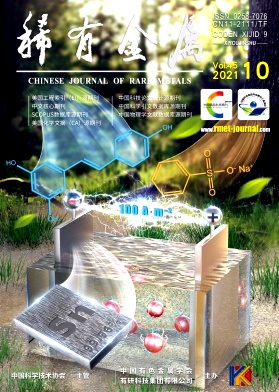
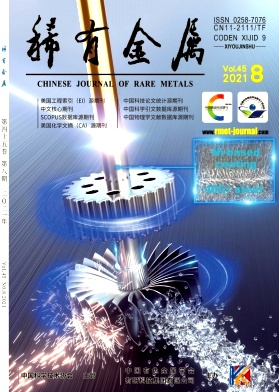
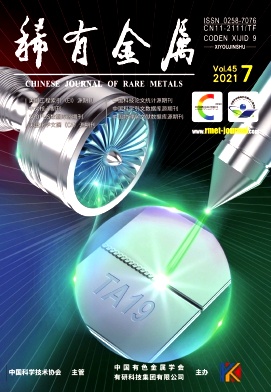
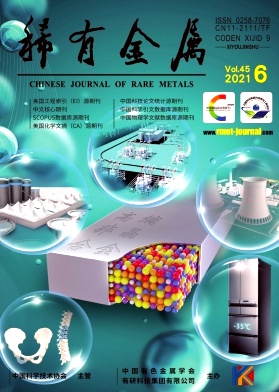
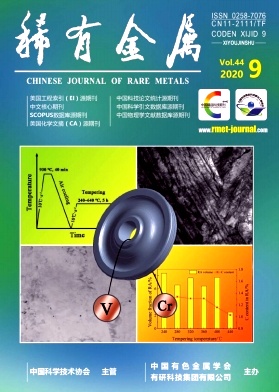
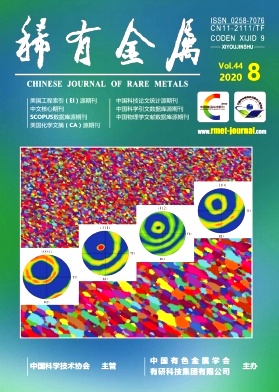
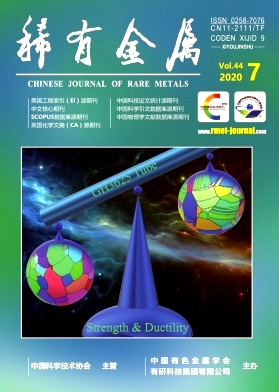
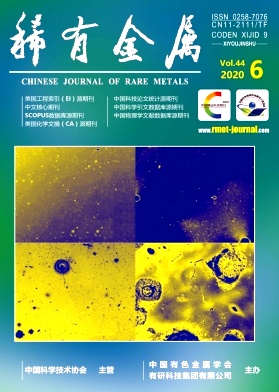
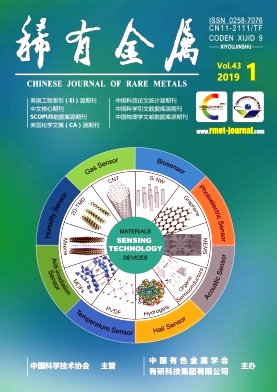
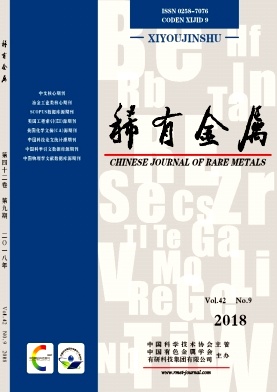
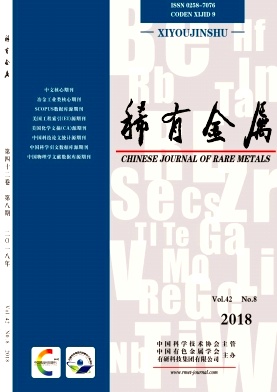
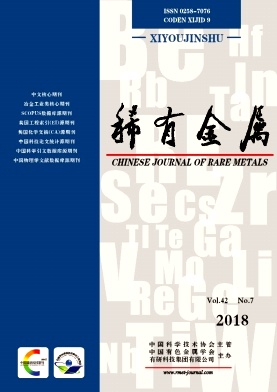
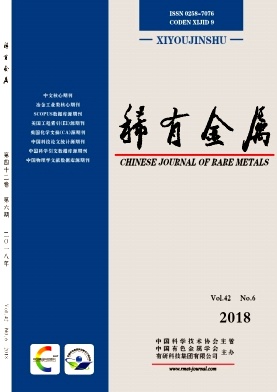
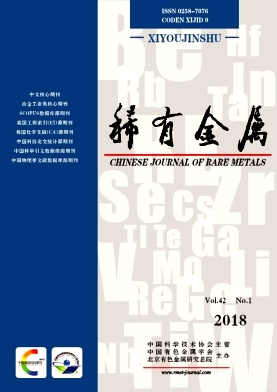
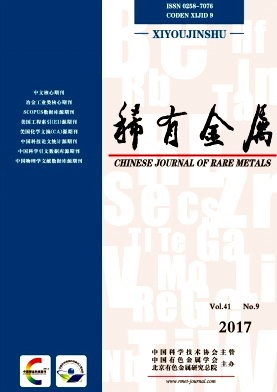
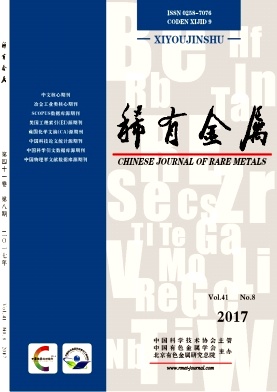
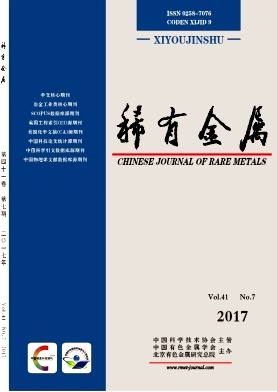
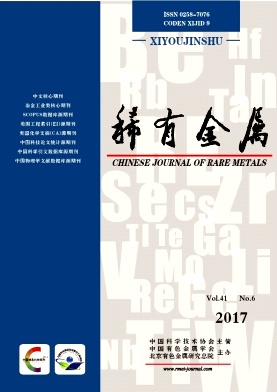
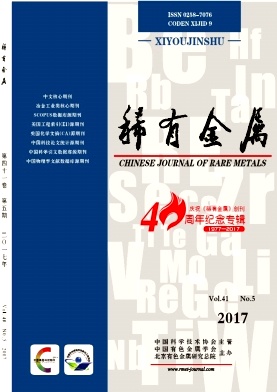
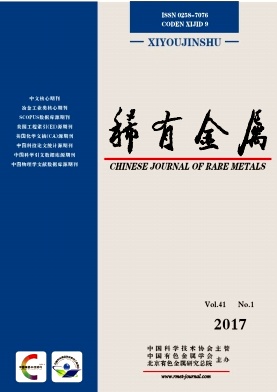
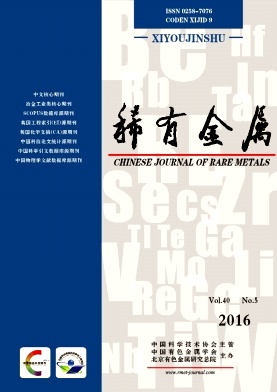
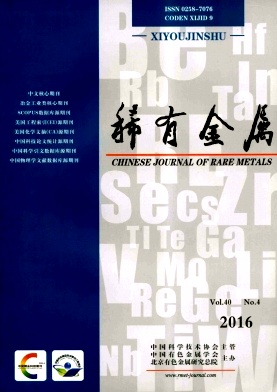
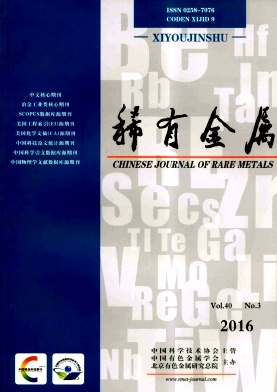
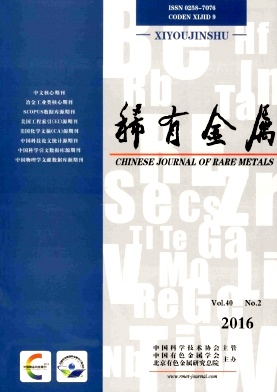
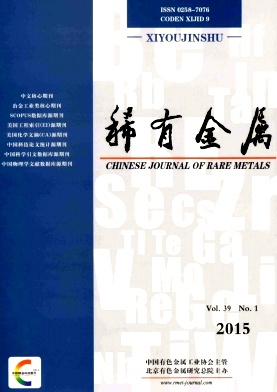
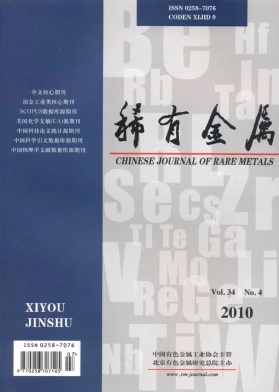
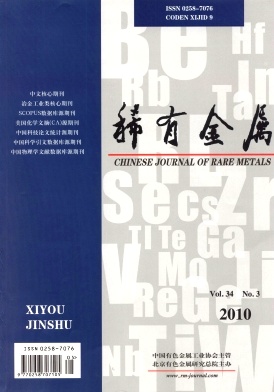
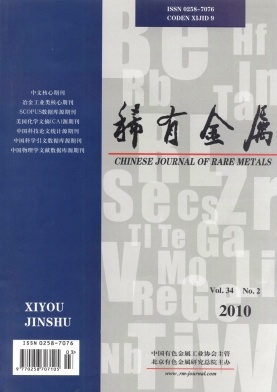
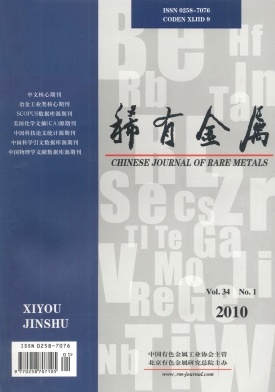
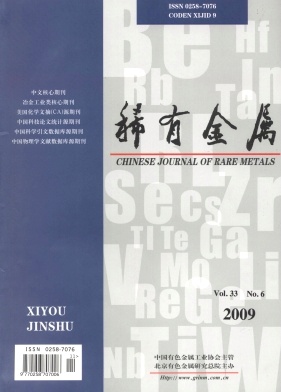
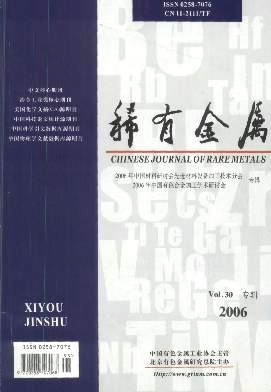
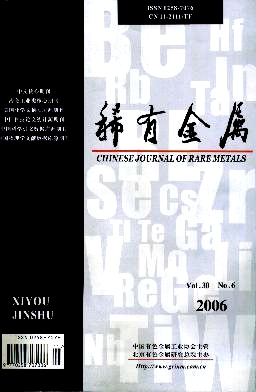
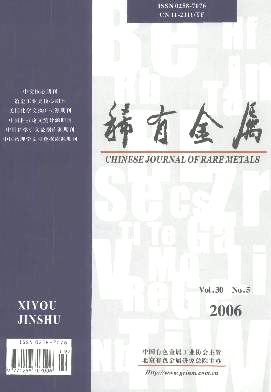
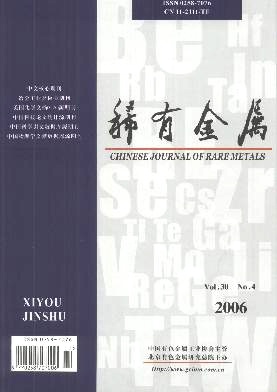
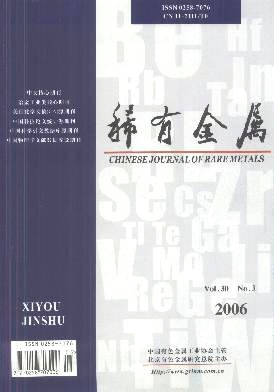
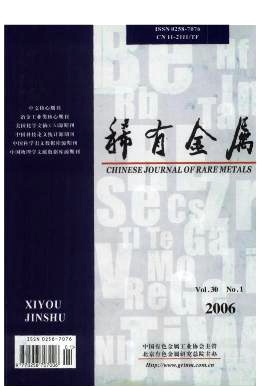
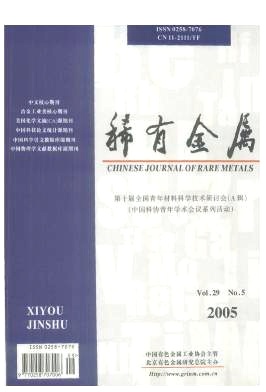
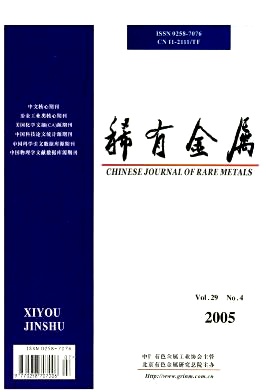
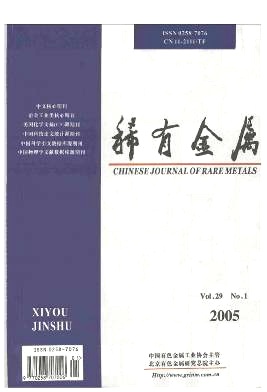
Journal: Chinese Journal of Rare Metals
Establishment year: 1977
Administrator: China Association for Science and Technology
Sponsor: The Nonferrous Metals Society of China;
China GRINM Group Co., Ltd.
Publisher: Youke Publishing Co., Ltd
Periodicity: Monthly
Tel:010-82241917/82240869
E-mail:rmchina@263.net
ISSN:0258-7076
CN:11-2111/TF
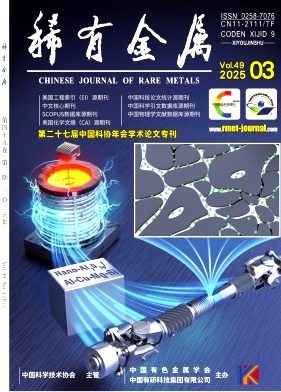
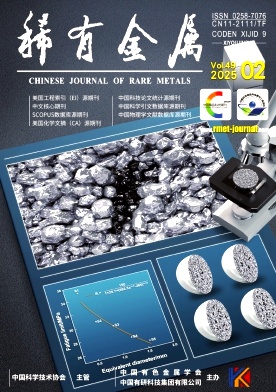
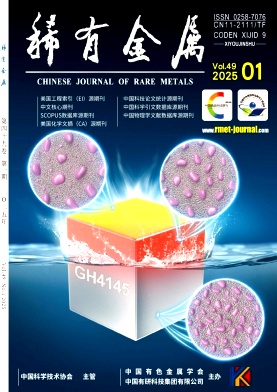
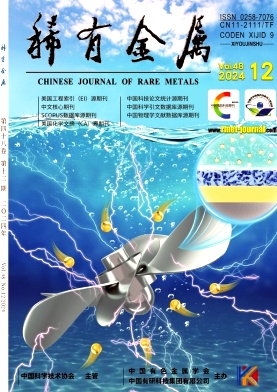
Chinese Journal of Rare Metals is a comprehensive journal, published monthly in Chinese, administrated by China Association for Science and Technology, and sponsored by The Nonferrous Metals Society of China and China GRINM Group Co., Ltd. Academician Haili Tu is the Editor-in-Chief. Chinese Journal of Rare Metalis included by American Engineering(EI compendex), the important database SCOPUS...(Details)
Identification and treatment of academic misconduct
In order to protect the right of readers and authors and to maintain the quality and reputation of this journal, Chinese Journal of Rare Metals will test and screen each manuscript strictly in the process of publication. The manuscript will be rejected and punished seriously if it is identified as academic misconduct. The specific testing process and treatment methods are as follows:
1. This journal adopts academic misconduct detection system of CNKI for automatic detection, and the China Literature Journals Full-text Database is used as the comparative database, which test academic misconduct behaviors such as paper copy and plagiarism, forgery, tampering, improper attribution, a draft casting two or more journals, etc.
2. The range of detection
1) All papers that have been received;
2) The papers that are accused with plagiarism by readers
The academic misconduct detection system of CNKI is used to detect the duplication rate of the manuscript. The manuscript and the comparative one will be submitted to reviewers who will determine the repetition nature and form if the duplication rate is up to or exceeds 20%. Reviewing experts will give advice about how to deal with this issue.
3. The criteria of the manuscript identified as academic misconduct are as follows:
1) The manuscript content copies intact or basically from other achievements.
2) The content of the paper that changes the type of others’ achievement or does not change the type but changes the specific forms of others’ achievements which are protected by copyright and use it as their own independent complete works;
3) The manuscript content uses others’ protected opinions to construct the total, core or main ideas, use others’ protective academic achievements as its own main body or substantial part;
4) The manuscript content fabricates or tampers the research achievements, survey data, experimental data or documents information;
5) The manuscript content cites others’ protected ideas, schemes, information, data and so on, but no comments or original source are listed;
6) A paper casting two or more journals.
4. The treatment methods of identified academic misconduct papers:
1) The editorial department treats the paper eventually identified as academic misconduct prudently, and informs authors timely, allowing authors to explain and defend for this issue before making a treatment decision;
2) If the paper is already received but has not been officially published, we will notify the author that the paper will be directly treated as rejected paper in the manuscript-handling process and the employment qualification will be canceled. In addition, the author is given criticism education and warning ;
3) If the paper has been officially published, the author will be informed literately that the accepted qualification will be canceled and the remuneration should be paid back. Additionally, we will reserve the right to recourse claims if the matter causes any loss to reputation or others to our journal.
4) If the circumstances are serious, the authors’ name and their departments will be publicly notified on the journal at some specific date and the withdraw of this right paper will be also notified. What’s more, the events will be notified to the authors’ work unit and other science and technology journals in this area;
5) For authors who are accused of serious plagiarism or cast their paper in multiple journals as the first author, our publication will not accept their papers in 2 years;
5. The treatment of the dissent of authors:
If authors disagree with the identification and treatment results of our journal, they can put forward the application of recheck to the editorial department literally (inadmissible overdue). The editorial department will invite experts to re-review those papers and then make the final decisions. Authors will be informed in 30 working days.
The above provision will be put into force from the date of release and the editorial department of Chinese Journal of Rare Metals is responsible for the interpretation.
Microstructure and Properties of TLM Titanium Alloy Processed by ECAP at Room Temperature
Liu Xiaoyan;Wu Yuqi;Qiang Meng;Lei Hengxi;Yang Xirong;Wang Jingzhong;Luo Lei;Ti-25 Nb-3 Zr-3 Mo-2 Sn(TLM) titanium alloy is a new multifunctional near-β biomedical third-generation titanium alloy developed by Northwest Institute. Equal channel angular pressing(ECAP) is a severe plastic deformation method that can effectively improve materials' strength. To improve its strength, reduce the elastic modulus, and obtain good elongation, four passes of ECAP at room temperature were used to perform on TLM titanium alloy after solid solution at 850 ℃ for 1.5 h in this paper. The extrusion speed of ECAP was 2.5 mm·s-1. The C mode, in which longitudinal rotation by 180° was required after each pass before deformation, was selected for ECAP. The internal channel angle of ECAP die was 90°, and the external arc angle was 20°. The equivalent strain after each pass of deformation was 1.16. D8 Advance A25 X-ray diffractometer(XRD) was used to determine the phase of the samples with a scanning angle of 20°~90°, a test voltage of 40 kV, and a current of 40 mA. Microstructural observations were taken using an GX51-Olympus optical microscope(OM). For transmission electron microscopy(TEM, JEM-2100 Plus, 200 kV) observations, samples were mechanically polished to a thickness <100 μm, then punched to form thin disks that had a diameter of 3 mm. Transparent areas were produced using the ion thinner(Leica EM RES102). Uniaxial tensile tests were carried out with an INSTRON 8801 universal testing machine at a quasi-static strain rate of 1×10⁻³ s-1. XRD patterns showed that the solid solution sample was composed of β matrix and quenched α' phase. In the first pass of ECAP, α' phase disappeared, and stress-induced martensite α″ phase precipitated. As the number of ECAP passes increased, the stress-induced martensite α″ phase gradually decreased from 16.7% in the first pass to 2.0% in the fourth pass. The gradual reduction of the stress-induced martensite α″ phase was due to two reasons: the occurrence of reverse transformation of martensite and the increase in the required stress for stress-induced martensite. It was seen from stress-strain curves that after four passes of ECAP, the tensile strength increased from 556.4 MPa to 808 MPa, an increase of 45.2%. Obviously, the "double yield" phenomenon disappeared after the first pass of ECAP. At the fourth pass, the elastic modulus decreased to 26.6 GPa. In the "double yield phenomenon", the first yield point was the critical inducing stress point of stress-induced martensite(SIM). The appearance of the second yield point was due to the occurrence of plastic deformation. The reason for the disappearance of the "double yield" phenomenon was the reduction in the content of stress-induced martensite α″ phase and the increase in the critical inducing stress of martensite. The reason for the reduction in elastic modulus was divided into two parts. The decrease in elastic modulus was partly due to the fact that large plastic deformation raised the martensitic transformation temperature and reduced the stability of β phase, and the other part was that the precipitation of the low elastic modulus SIMα″ phase and the generation of a large number of dislocations led to the decrease in lattice stability, thereby reducing the elastic modulus. The reason for the increase in yield strength was also divided into two parts. One was the strengthening due to the precipitation of stress-induced martensite α″ phase, and the other was the generation of a large number of dislocations due to deformation. The dislocations entangled with each other and hindered the movement of dislocations, making plastic deformation difficult and thus improving the alloy strength. From the metallographic photos, it was seen that a large number of slip bands appeared and the grains were obviously elongated after the first pass of ECAP. After the second pass, the grains showed an equiaxed trend. After the fourth pass, the grain size was more uniform. In TEM images, diffraction spots of α″ and ω phases could be observed. There were a large number of lath structures. The dislocation density was significantly increased compared to the solid solution sample. After four passes of ECAP, the lath width was reduced from 100~400 nm in the first pass to 50~100 nm. Moreover, ω phase disappeared, and α″ phase gradually decreased. TEM images showed that no twins were found in the grains. The main characteristics were a large number of dislocations and laths, which indicated that twinning was not the main deformation mechanism during 90° ECAP process of TLM titanium alloy. ECAP deformation mechanism of TLM titanium alloy at room temperature consisted of dislocation slip, strain-induced martensite α″ phase, and isothermal ω phase. As ECAP passes increased, ω phase gradually disappeared, the martensite induction stress increased, the reverse transformation of α″ to β martensite occurred, and the volume fraction of SIM α″ phase continuously decreased. The deformation mechanism was finally dominated by dislocation slip.
Hot Rolling Temperature on Microstructure and Properties of Ti-5Cu Alloy
Zhang Junhong;He Yongdong;Yue Xu;This study took Ti-5Cu alloy smelted by the electron beam cold hearth melting furnace (EB furnace) as the research object.Hot-rolled plates were prepared by directly rolling the initial plates after heating.The effects of different rolling temperatures (800,860,and 910℃)on the microstructure transformation and mechanical properties of Ti-5Cu alloy plates were investigated.Optical microscopy(OM),X-ray diffraction analysis (XRD),scanning electron microscopy (SEM),electron backscatter diffraction (EBSD),and tensile tests were employed to analyze the influence of different rolling temperatures on the microstructure and mechanical properties of Ti-5Cu alloy plates.XRD test results revealed that Ti_2Cu peaks were not prominent at 800 and 860℃,whereas they were clearly observable at 910℃.This indicated that a greater amount of Ti_2Cu precipitated at high temperatures,leading to a higher degree of crystallinity.Under the optical microscope,the initial plate was found to be mainly composed of lamellar phases (α and β phases).Distinct grain boundaries were present between the grains.After rolling at 800℃,the grains were refined and elongated in different directions.Both large and small grains coexisted,indicating incomplete deformation.When the rolling temperature was increased to 860℃,the grains became finer and elongated more significantly in the same direction compared to those at 800℃.At 910℃,the grains exhibited a basket-weave morphology,with the α and β phases distributed alternately.The grains were uniform in thickness and neatly arranged.EBSD tests on plates at different temperatures demonstrated that as the rolling temperature rose,the crystal orientation of the plates gradually changed from the ■direction to the ■direction.The average grain size increased from 20.07µm at 800℃to 32.73µm at 910℃.The proportion of low-angle grain boundaries rose from 19.7%at 800℃to 27%at 860℃and then decreased to 4.5%at 910℃.This phenomenon could be attributed to the fact that at higher temperatures,the recrystallization time of grains was longer,and they acquired more energy,resulting in grain growth.Meanwhile,the high-angle grain boundaries formed in new grains tended to engulf the low-angle grain boundaries.The tensile strength and reduction of area of Ti-5Cu alloy plates also showed significant variations with temperature.The tensile strength increased from 739.4 MPa at 800℃to 836.6 MPa at 860℃but decreased to 538.3 MPa at 910℃.Similarly,the elongation after fracture increased from 7.32%at 800℃to 9.42%at 860℃and then dropped to 6.14%at 910℃.Generally,these properties first increased and then decreased.At lower temperatures,work hardening enhanced the material's strength,but recrystallization was insufficient,resulting in high strength and low plasticity.At higher temperatures,the comprehensive properties reached an optimal level due to the increase in the number of recrystallized grains and work hardening.The Vickers hardness of Ti-5Cu alloy plates increased continuously with temperature,rising from HV 316.5 at 800℃to HV 332.4 at 860℃and reaching HV 364.3 at910℃.This was likely due to work hardening,fine-grain strengthening,and second-phase strengthening.The fracture characteristics also changed with temperature.At 800℃,the fracture exhibited mixed features with relatively shallow dimples and distinct tear ridges.At 860℃,it transformed into ductile fracture with deep and evenly distributed dimples.Finally,at 910℃,brittle fracture with cleavage steps and large tear ridges appeared.At lower temperatures,stress concentration caused by rolling in some areas leaded to cracks and partial brittle fracture.At high temperatures,the precipitation and growth of Ti_2Cu might cause it to transform from a strengthening phase to a brittle phase,resulting in brittle fracture at the precipitation phase positions.Comprehensive analysis indicated that the appropriate hot rolling temperature for Ti-5Cu alloy plates was around 860℃.At this temperature,the tensile strength (Rm),yield strength (Rp0.2),and elongation after fracture (A) were 836.6 MPa,749.5 MPa,and 9.42%,respectively.
High Temperature Corrosion Behavior of Al Modified Inconel625 Alloy in Oxidizing Chlorine Containing Atmosphere
Guan Yaxiao;Xiang Junhuai;Xiao Botao;Bai Lingyun;Chen Tuchun;The study was designed to investigate the impact of Al addition on the high-temperature corrosion resistance of Inconel625 alloy in an oxidizing, chlorine-containing atmosphere. Corrosion tests were carried out in a simulated waste incineration environment: Inconel625-x Al(x=0, 3, 5, 7, 10) alloys were exposed to a mixed gas atmosphere of N2-0.5%HCl-1.5%O2-3.0% CO2(volume fraction) at 800 ℃ for 200 h. Surface morphology, cross-sectional features, and phase composition of corrosion products were analyzed by scanning electron microscopy(SEM), energy-dispersive spectroscopy(EDS), and X-ray diffraction(XRD) to clarify the mechanism of chlorineinduced corrosion. Results show that the Al-free Inconel625 alloy formed a mixture of Cr_2O3 and SiO2 after corrosion, while Al-containing alloys developed an Al_2O3 film on the surface. For Inconel625-3 Al, insufficient Al content prevented the formation of a continuous and dense protective Al_2O3 layer, resulting in a higher corrosion rate than the unmodified alloy. When Al content reached 5%, the corrosion resistance of alloy was improved significantly. However, as Al content increased to 7%, the alloy microstructure transformed from single-phase to duplex, which intensified corrosive gas diffusion within the alloy to some extent, leading to an elevated corrosion rate. Microstructural analysis revealed that with increasing Al content, the microstructure of Inconel625 evolved from single-phase to duplex. At 3% Al, the alloy maintained a single-phase austenitic structure; at 7%, it transformed into a duplex structure. Further increasing Al to 10% stabilized the alloy structure and enabled rapid formation of a dense oxide film. From the perspective of corrosion kinetics, the corrosion behavior of Inconel625-x Al alloys under the specified conditions followed a parabolic rate law. Inconel625-10 Al exhibited the smallest corrosion rate constant, indicating the most effective protection provided by Al_2O3 film. In contrast, Inconel625-3 Al and Inconel625-7 Al had larger corrosion rate constants and higher mass gains, because their Al_2O3 films lacked sufficient continuity and density to inhibit the diffusion of corrosive gas, leading to faster corrosion. Composition and morphology of corrosion products further confirmed that low-Al alloys could not form an effective protective Al_2O3 layer, leading to more defects in the oxide film. This allowed corrosive gases to penetrate the oxide layer more easily and react with matrix elements(such as Ni and Cr), significantly weakening high-temperature protection. With increasing Al content, the ability of alloy to form a dense Al_2O3 protective film was rapidly improved, effectively suppressing the diffusion of oxygen and corrosive gas and reducing internal oxidation of elements, thus enhancing corrosion resistance. Although phase boundaries in the duplex structure accelerated corrosive gas diffusion to a certain extent, sufficiently high Al content(e.g. 10%) ensured the density and integrity of Al_2O3 film, effectively inhibiting this diffusion and achieving excellent corrosion resistance. In conclusion, with increasing Al content, the microstructure of Inconel625-x Al alloys underwent a progressive transition from a single-phase austenitic matrix to a duplex structure. With Al content of 3%, the alloy retained a single-phase structure, while with Al content of 7%, a duplex microstructure emerged. Further increasing Al content to 10% facilitated the rapid formation of a dense and protective Al_2O3 film. Corrosion kinetics of Inconel625-x Al alloys in an N2-0.5%HCl-1.5%O2-3.0%CO2 atmosphere at 800 ℃ for 200 h followed parabolic behavior. Inconel625-10 Al alloy exhibited the lowest corrosion rate constant and the best resistance, attributable to the effective barrier function of its continuous Al_2O3 scale. In contrast, Inconel625-3 Al and Inconel625-7 Al alloys displayed higher corrosion rate and weight gains due to insufficient film continuity and density, which failed to suppress corrosive gas diffusion. In low-Al alloys, the inability to form a coherent Al_2O3 layer increased film defects, enabling corrosive species to penetrate and react with internal elements(e.g., Ni, Cr), thereby degrading high-temperature protection effect. Increasing Al content promoted the formation of a dense Al_2O3 film that effectively inhibited the diffusion of oxygen and corrosive gas, minimizing internal oxidation and enhancing corrosion resistance. Although phase boundaries in duplex structures might facilitate localized diffusion, the excellent integrity of Al_2O3 film at 10% Al effectively mitigated this effect, yielding exceptional resistance.
Interfacial Mechanical Behavior of SiCf/TC17 Composites under Different Temperature
Wang Minjuan;Yang Guang;Sun Guangyao;Huang Hao;Qi Jiqiu;Sui Yanwei;Meng Qingkun;AECC Beijing Institute of Aeronautical Materials;Silicon carbide fiber-reinforced titanium matrix(SiCf/Ti) composites offer high specific strength, stiffness, and resistance to high temperatures, creep, and fatigue, making them suitable for structural components below 800 ℃. The interface is critical for load transfer, with interfacial shear strength being a key performance indicator. Single-fiber push-out tests, analyzed via analytical or finite element(FE) methods, are standard for determining interfacial shear strength. However, characterization limitations typically restrict these tests to room temperature, despite the composites´ operation in medium-to-high temperature environments. Property changes in the fiber, matrix, and interface, along with residual stress redistribution at elevated temperatures, likely alter interfacial mechanical behavior and failure mechanisms. This work employed an in-situ heating stage to examine the interfacial mechanical response of SiCf/TC17 composites from 25 to 600 ℃, complemented by an FE model assessing temperature-dependent interfacial shear strength and failure. Single-fiber push-out load-displacement curves across temperatures consistently showed stages: elastic and plastic deformation, interfacial sliding, and indenter-matrix contact. Interfacial debonding strength, derived from the curve peak, measured 90.0 MPa at 25 ℃. It decreased slightly at 300 ℃, then declined rapidly to 28.1 MPa at 600 ℃. Temperature significantly impacted push-out performance via two competing factors: decreasing shear residual stress tended to increase interfacial debonding strength, while reduced interfacial shear strength and radial residual stress decreased it. Between 25 and 300 ℃, these influences balanced, resulting in minimal interfacial debonding strength change. Above 300 ℃, the decline in material shear strength and radial residual stress dominated, causing the sharp interfacial debonding strength reduction. Residual stress evolution with temperature was analyzed, assuming initial cooling from 900 ℃. The higher thermal expansion coefficient of TC17 matrix compared to SiC fiber led to compressive radial stress in both components upon cooling, decreasing in magnitude from the interior outward. Axially and circumferentially, the fiber experienced compression while the matrix was under tension. Stress relaxation caused axial matrix contraction to exceed fiber contraction, generating shear residual stresses symmetrically distributed around the sample midsection at the interface. Both radial and shear thermal residual stresses critically influenced interfacial debonding strength. At 25 ℃, radial residual stress at the matrix/C coating interface was 261.6 MPa, decreasing progressively to 63.1 MPa at 600 ℃. Concurrently, maximum interfacial shear stress dropped from 272.0 MPa(25 ℃) to 71.3 MPa(600 ℃). An FE model based on cohesive zone theory incorporated interfacial shear strength, friction, and residual stress. Simulations using varied interfacial shear strengths and temperatures generated load-displacement curves. The simulated push-out load decreased after its peak, indicating complete interfacial debonding, with subsequent resistance governed by sliding friction. This frictional force decreased with rising temperature, driven by reducing residual stresses and independent of interfacial shear strength. Higher interfacial shear strength increased the simulated peak push-out load. The interfacial shear strength yielding a simulated peak load matching the experimental value was taken as the actual material property. This method determined the interfacial shear strength as 536 MPa at 25 ℃. It decreased slightly by 300 ℃, then rapidly declined to 196 MPa at 600 ℃. The radial compressive residual stress in SiCf/TC17 composites remained relatively low and was insufficient to damage C coating. Consequently, interfacial failure consistently initiated at the interface between C coating and the brittle interfacial reaction layer, specifically at the specimen´s support end. This location arose because the direction of shear residual stress away from the loading end aligned with the shear stress from the push-out load. As the push-out load increased, cracks propagated from the support end towards the loading end, culminating in complete interfacial failure. In summary, interfacial debonding strength, residual stresses(both radial and shear), and interfacial shear strength in SiCf/TC17 composites decreased substantially as temperature rises from 25 to 600 ℃. Interfacial failure consistently initiated at C coating/reaction layer interface at the support end across all tested temperatures.
Microstructure and Wear Properties of Laser Assisted Cold Sprayed Nano-TiB2/Al7075 Composite Coatings
Wang Qiang;Li Shenao;Li Nan;Niu Wenjuan;Guo Nan;Ge Shukai;Wang Jin;Huang Liangliang;The low hardness and poor wear resistance of 7075 Al alloy limit its practical application under friction and wear conditions. Compared with other coating technologies, such as thermal spray and laser cladding, cold spray(CS) can avoid thermally induced defects, i.e., oxidation and phase transformation, and has the advantage of depositing thick coatings with minimum thermal influence on the substrate material. However, CS faces challenges of depositing hard metallic powders that lack plasticity under low temperatures. Fortunately, the recently developed laser-assisted cold spray(LACS) technology can effectively deposit hard metallic alloy particlesby introducing a laser beam to heat the in-flight particles. Meanwhile, the addition of nano-ceramic particles as the strengthening phase can significantly improve the microstructure and mechanical properties of deposited coatings. Whereas the addition of nano-particles into alloy powders modifies the surface morphology of mixed particles, which can influence the laser absorptivity of composite powders.Thepresent study used LACS technology to prepare nano-TiB2/Al7075 composite coatings on 7075 Al alloy substrate and investigate the effect of nanoparticle addition on laser absorptivity of composite powders, microstructure, and wear resistance of composite coatings. Firstly, the two powders were mechanically mixed using ball milling to obtain nano-TiB2/Al7075 composite powders with different nano-TiB2 contents of 1%, 3%, and 5%(named 1%nano-TiB2/Al7075, 3%nano-TiB2/Al7075 and 5%nano-TiB2/Al7075). Scanning electron microscopy(SEM) was used to characterize the surface morphology of the original and composite powders, and the particle size distribution was analyzed by the laser particle size analyzer. The laser absorption rate of different powders was analyzed by the spectrophotometer based on the diffuse reflectance infrared test method. Secondly, a cold spray device coupled with a fiber output semiconductor laser was used to prepare the coatings. Three types of coatings were obtained on a 7075 Al alloy substrate, and Coatings C1, C2, and C3 were named to refer to the addition of nano-TiB2 content of 1%, 3%, and 5% in composite powders. Finally, the microstructure and elemental distribution of the coatings were analyzed by SEM equipped with an energy dispersive spectrometer(EDS), and the porosity of different coatings wasanalyzed by Image Pro Plus(IPP). The phase composition of powders and composite coatings was characterized by X-ray diffraction(XRD). The wear trajectory of the sample was observed by a three-dimensional white light interferometer, and the wear volume and wear rate were calculated. The results showed that the porosity of the composite coating gradually decreased as the content of nano-TiB2 particles increased. The porosity of Coatings C1 and C2 were 2.84% and 2.60%, respectively. When the content of nano-TiB2 particles reached to 5%, the porosity of the coating decreased to 0.69%. With the increase of nano-TiB2 content, the laser absorption rate of composite powder particles increased. Therefore, the temperature of the in-flight particles rose, which enhanced the plastic deformation of the powder during deposition. Thus, the bonding of the deposited particles was improved, leading to the reduction of coating porosity. Meanwhile, inside the composite coating, nano-TiB2 particles were evenly distributed at the interface of metallic particles, which is also beneficial to enhance the bonding strength of the coating. XRD results of powder and composite coatings showed that the phase composition of the coating was consistent with that of the powder, indicating that no phase transformation and oxidation occurred during the coating deposition. The average microhardness of Coatings C1, C2, and C3 was HV0.2 183.23, HV0.2 189.74, and HV0.2 209.93, respectively. When the amount of nano-TiB2 content reached to 5%, the microhardness of the composite coating increased by 14.6%, compared to the substrate. The microhardness of the composite coating gradually increased with the amount of nano-TiB2 addition, and the increase in coating hardness was mainly attributed to the enhanced strain hardening of deformed metallic particles and the second-phase strengthening by hard nanoTiB2 ceramic particles. In addition, the friction and wear test results showed that the average friction coefficient of Coatings C1, C2, and C3 were 0.1512, 0.1325, and 0.0454, respectively. The wear rate of 7075 Al alloy substrate and three coatings were 1.42×10⁻⁶, 1.24×10⁻⁶, 1.18×10⁻⁶, and 0.84×10⁻⁶ m3‧N-1‧m-1, respectively. The wear mechanisms of the substrate and composite coatings included abrasive wear, adhesive wear, and oxidative wear. As the content of nano-TiB2 increased, the characteristics of abrasive wear and adhesive wear were significantly reduced, and the volumetric wear rate also decreased accordingly. When the content of nano-Ti B2 reached to 5%, the wear mechanism wasdominatedby oxidative wear, accompanied by slight abrasive and adhesive wear.



























































































Links
Page Views
Page visits today: 0